Hungry Ghost Festival: From seventh-month fear to a deeper peace
Rev. James Leong
Beginning with folk fears and rituals around the seventh lunar month, Dovecast’s documentary and Christian perspective invite readers to reconsider the peace people are seeking.
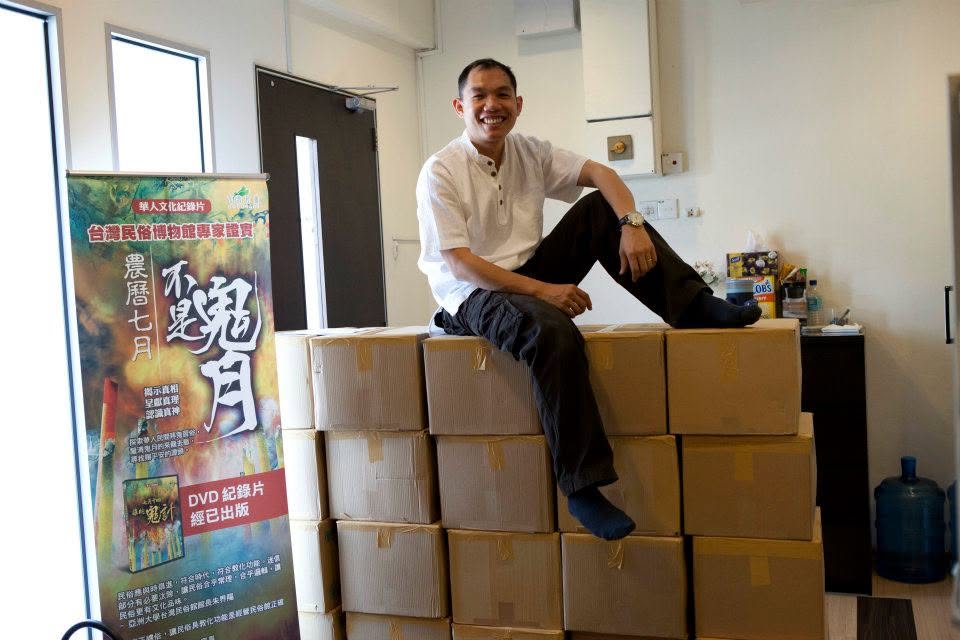
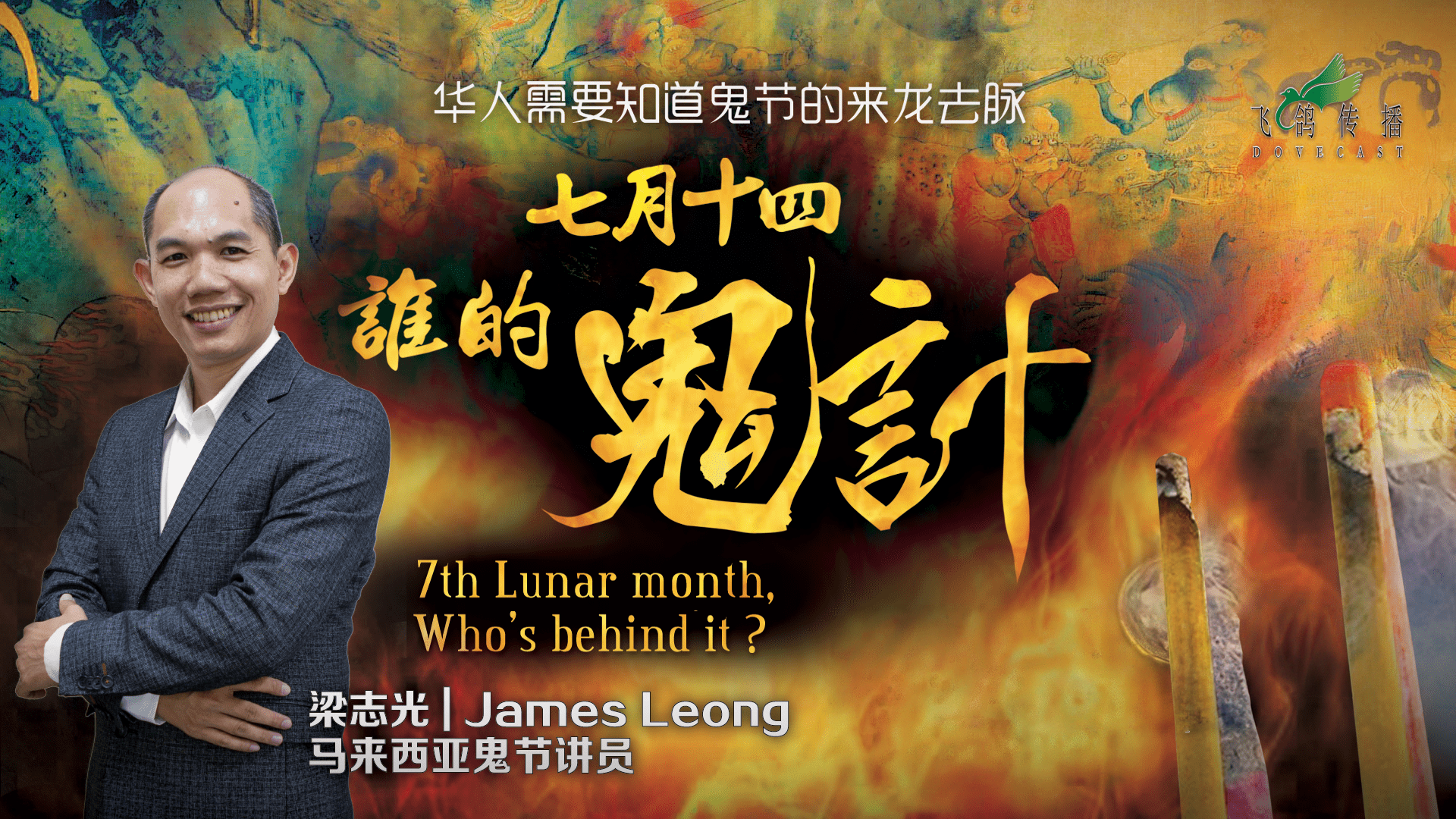
‘The Seventh Lunar Month—Whose Scheme?’ is a first-person account of the production journey behind the documentary of the same name. The author explains why he entered research on Chinese Ghost Festival practices and the journey of making the film. From research and video production to speaking in churches, this work has continued for about sixteen years, with a desire to bring lasting peace to Chinese communities during the seventh lunar month.
Raised in a Christian family, the author did not fear the seventh lunar month, but wondered why some Chinese neighbours and friends became anxious during it. When he first tried to share the Gospel, he realised that he did not understand why people performed rituals, what they feared, or the history of the customs. He describes this as lacking the cultural language needed for conversation.
To explore the origins of the festival and communicate through film, the author carried a camera into Chinese communities in the DVD era for field interviews. When an elder burning paper offerings was asked why he performed the ritual, he replied that it had been passed down by the previous generation. The interviews suggested that many people did not know the source or truth of the practice, yet passed this uncertainty to the next generation.
Some interviewees said that performing the ritual brought peace of mind; another quoted a folk saying that worship brings blessing and not worship brings trouble. The author understands these encounters as a search for security. The documentary is not intended to ridicule culture, but to listen seriously to fear around uncertainty, death, and family expectation.
The account includes filming in Cheras, Kuala Lumpur, where a young person who had doubts still feared saying that she might not continue the rituals. It also describes a seventh-month-fourteenth filming encounter in which a family hurried indoors after lighting paper offerings, afraid that wandering spirits would come for them. These scenes deepened the author’s compassion and desire to communicate the Gospel with respect and dialogue.
The article discusses differing roots of Buddhist Ullambana, Taoist Zhongyuan, and popular Ghost Month ideas. On the history of the seventh lunar month as Ghost Month, it records a Taiwan folklore researcher’s documentary interpretation that the idea may be connected with Ming-era policy. This is an interpretation from that researcher and the supplied production material, not an independently verified historical conclusion of the Dovecast website.
The author recalls that when funding was limited, he and his wife prayed for an opportunity to interview the relevant folklore specialist in Taiwan. A later invitation to provide video service for an international Baptist meeting in Taiwan made the interview possible. He regards this as part of God’s guidance in the documentary’s production.
From a Christian perspective, the article says that lasting peace is not a short-lived reassurance bought through fear and compromise each seventh lunar month, but peace found in Christ in facing fear and death and being reconciled with God. It invites readers to keep thinking, asking questions, and approaching Chinese cultural contexts with respect.